
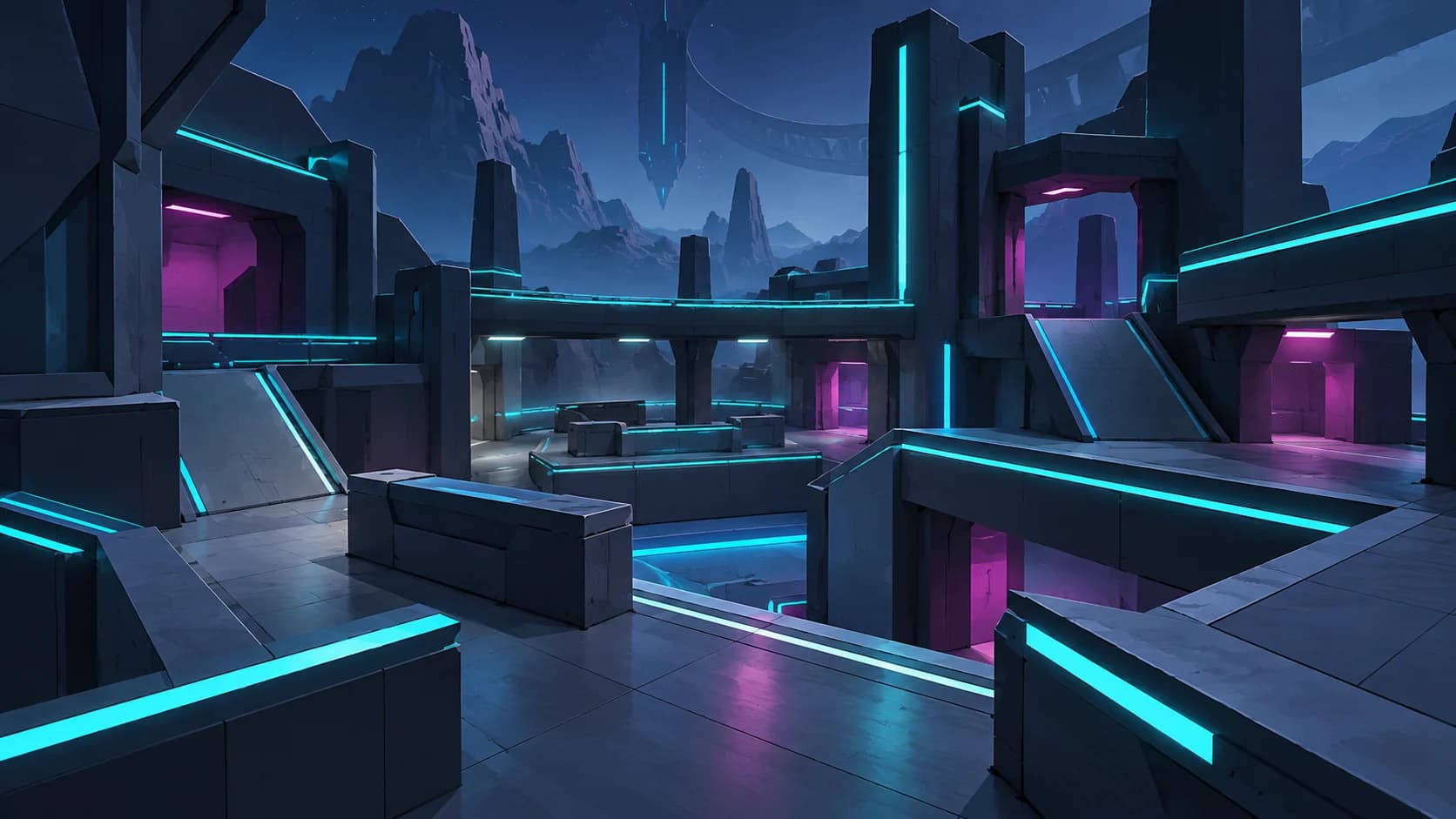
Hypershot's official listing names Team Deathmatch, Capture the Flag, Free for All, and Gun Game (Arsenal), alongside 1v1 and 2v2 duels with friends. Choose your next match around what you want to practise or enjoy, then read the current instructions for that format. The named list is a starting point, rather than a complete count of every queue or event.
This guide uses official information checked on October 27, 2026. The format names and dated announcements come from those sources; the practice goals and coordination suggestions below are editorial advice. Exact scoring, timers, selection paths and current availability should come from the game you are playing.
01
Start with the officially named formats
Use the official Hypershot experience when checking which options are currently offered. Read the mode label and any instructions before committing to a plan. That helps avoid carrying assumptions from another shooter into a format with a familiar name.
The following table connects the official names to suggested learning goals. The right column is a practice idea, not a description of verified scoring rules.
| Officially named format | Suggested focus for an attempt |
|---|---|
| Team Deathmatch | Notice how clearly you share useful information with teammates. |
| Capture the Flag | Read the objective information and use it when deciding what to do next. |
| Free for All | Review your own awareness and the decisions you made around encounters. |
| Gun Game (Arsenal) | Check current equipment instructions and notice which options feel unfamiliar. |
“Gun Game (Arsenal)” is the wording in the official mode list. Read its active instructions before assuming how equipment changes or how a match ends. A familiar label is useful for recognising the option, but the current game provides the details you need to play it.
02
Pick a goal before changing formats
If you are new, choose one format and stay with it long enough to understand what is happening. Our suggested first goal is simply to recognise the objective information and explain what you were trying to do during an encounter. Once that becomes comfortable, choose a more specific question about awareness, communication or equipment.
Changing formats after every difficult attempt can make it hard to identify the cause of a problem. You might be adjusting to a different objective, an unfamiliar situation, or a change you made elsewhere in your setup. The beginner guide provides a small first-session plan if you want a consistent starting point.
03
Use 1v1 or 2v2 to agree on a shared exercise
The listing advertises duels with friends in 1v1 and 2v2 formats. If you and a friend want to learn together, first agree which advertised format you intend to use, then check the options currently shown in the game. Arrange the exercise around whatever access and rules the interface actually permits.
A useful editorial exercise is to identify one moment you want to discuss afterward. For example, each player can note when they lost track of an opponent or stopped understanding the situation. Keep the feedback specific enough that the other person can recognise it, rather than reducing the whole attempt to who won.
For a 2v2 attempt, agree what information you will share with your teammate. Short observations such as where you last saw an opponent or when you need help are easier to act on than a running commentary. Afterward, ask whether the information arrived in time and whether it changed a decision.
04
Read objectives before assigning yourself a role
A team plan works better when everyone has checked the same objective information. Before deciding what you will concentrate on, look at what the match currently asks players to accomplish. Ask a teammate to clarify an unfamiliar instruction if you are learning together.
Our suggested approach is to make a small, flexible plan and revisit it during natural pauses. Decide what you will watch for and what you want to communicate, then adjust when the situation changes. Avoid treating a role borrowed from another game as a fixed Hypershot requirement.
05
Learn maps through observations you can revisit
For map learning, begin with the places and features you can actually see during normal play. Notice where you lose track of opponents, where you struggle to understand the objective display, and which surroundings help you recognise your position. Give yourself a simple point to revisit when a similar situation appears.
Keep those notes tied to the map and format you were playing. A useful observation describes a location or visible feature clearly enough to recognise again, without claiming that one route always works. This guide does not provide a verified full map roster or an optimal route for each map.
06
Separate format choice from equipment choice
When comparing how formats feel, note whether you also changed your equipment or settings. Otherwise, a result you attribute to the mode may have several explanations. Try to keep the comparison understandable rather than changing everything together.
The weapons and loadouts guide offers an editorial comparison routine using equipment you can access. If your goal is resource progress, record what actually happens in your own attempts; the coins and gems guide explains the documented resource categories without declaring a fastest-earning mode.
07
Keep Ranked and event announcements in date context
The creator published a Ranked announcement on August 25, 2025, announcing an August 28 release. That is a historical announcement. It does not establish today's rank order, entry requirements, point calculations, reset schedule or rewards.
The saved October 27 game title also included a Zombies promotion. A title alone does not explain an event's rules, rewards or ending date. Check current in-game information and the official community and updates guide when deciding whether an announcement applies to what you can play now.
08
Review the match with one practical question
After an attempt, ask whether you understood the objective and could explain your own decisions. If the answer is unclear, repeat a manageable learning goal before adding more changes. If it is clear, choose whether to deepen that practice or try another advertised format.
For a group session, let each person share one observation and one thing they want to try next. That gives the next match a purpose while leaving room to enjoy the game together. Your preferred format can depend on the kind of session you want, without needing a universal ranking of modes.